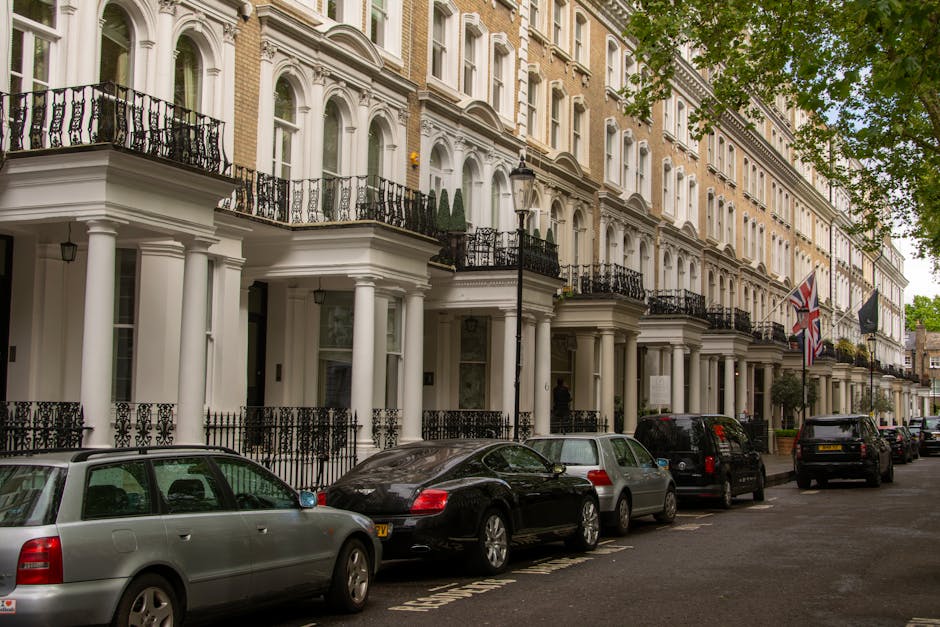
Eaton Square removals guide for narrow access flats

If you are planning a move in Eaton Square, you already know the real challenge is rarely the boxes. It is the access. Narrow stairwells, tight entrances, awkward turning points, basement levels, lift restrictions and shared hallways can turn a straightforward move into a bit of a puzzle. This Eaton Square removals guide for narrow access flats is here to make that puzzle manageable. You will find a clear plan for measuring access, protecting furniture, choosing the right vehicle, and avoiding the small mistakes that cause big delays. Truth be told, the difference between a calm move and a stressful one often comes down to preparation.
In a place like Eaton Square, where properties can be elegant but not always generous with space, moving well means thinking ahead. That might include using flat removals, choosing a man with van service for a lighter load, or arranging packing and boxes support so everything is easier to carry. The goal is simple: fewer surprises, less lifting, and a safer move for everyone involved. Let's get into it.
Why Eaton Square removals guide for narrow access flats Matters
Narrow access changes almost every part of a move. What looks like a simple two-hour flat removal can easily stretch if the team cannot park close enough, if a sofa will not turn on the landing, or if residents need to keep communal areas clear. In Eaton Square, where many flats sit in well-kept buildings with controlled access and shared entrances, those little constraints matter a lot. They affect timing, carrying distances, loading strategy and even what size van makes sense.
Why does this matter so much? Because the cost of getting it wrong is not just inconvenience. It can mean extra labour, extra time, damage to walls or furniture, and a move that feels far more chaotic than it needs to be. Narrow access flats reward planning. They punish guesswork. That is the honest version.
Another reason this guide matters is confidence. If you know how access will work, you can make better decisions on packing, vehicle size, and whether you need help with heavy items. A piano, a large wardrobe, or even a deep sofa can become a different beast entirely when a staircase bends sharply and the hallway is only just wide enough. A careful plan saves a lot of head-scratching on the day.
How Eaton Square removals guide for narrow access flats Works
The moving process for a narrow access flat usually follows a practical sequence. First, the access is assessed. Then the move is matched to the right vehicle, crew size and equipment. After that comes packing, protection, loading, transport and delivery. Simple in theory. Slightly more involved in real life, especially in central London.
For Eaton Square flats, access planning normally includes these questions:
- Where can the van legally and safely stop?
- How far is the carry from the vehicle to the flat?
- Is there a lift, and if so, what size is it?
- Are there stairs, tight turns or low ceilings?
- Do building rules restrict moving hours or use of communal areas?
- Are there bulky items that should be dismantled first?
Once those points are clear, the move becomes much more predictable. A smaller vehicle may be better if parking is tricky. A larger vehicle may work if there is enough space and the load is substantial. Some moves are best handled by a flexible removal van; others are easier with a more structured removal services package. It depends on the building, the belongings and how much help you want.
One small but useful detail: in narrow-access buildings, the order of loading matters more than people expect. The first items onto the van are often the hardest to reach later, so good sequencing can save a frustrating few minutes. Those minutes add up.
Key Benefits and Practical Advantages
A well-planned move in Eaton Square brings more than convenience. It can make the whole day feel calmer, safer and less expensive in practice. Here are the main benefits people notice.
- Less risk of damage: careful access planning helps protect bannisters, corners, door frames and furniture edges.
- Better time control: fewer blocked turns and fewer repeat trips usually mean a smoother schedule.
- Smarter vehicle choice: you can match the load to the actual access, not just the volume of belongings.
- Lower stress: when everyone knows the route, the lift situation and the loading plan, the day feels less frantic.
- Safer lifting: tight staircases and awkward angles are easier to manage when the team expects them.
- More accurate cost planning: a realistic access assessment helps reduce surprises.
There is also a quieter benefit that people only notice afterwards: you avoid that awful last-minute scramble where a wardrobe gets stuck halfway down a landing and everyone just stands there. We have all seen that kind of moment. Not ideal. Not memorable in a good way, either.
If your move includes furniture that is tricky to handle, the right preparation can make a huge difference. For example, using furniture removals support for awkward pieces, or arranging furniture pick up if only a few large items are going. Small decisions, but they can make the day much easier.
Who This Is For and When It Makes Sense
This guide is especially useful if you live in, or are moving into, a flat where access is not straightforward. That could mean a period building with narrow stairs, a property with a compact lift, a basement flat with a long internal route, or a top-floor apartment where carrying distance is the real challenge.
It makes sense for you if any of these sound familiar:
- You have larger furniture and limited room to manoeuvre.
- Your building has a strict loading bay or parking restriction.
- You are moving on a busy day and need efficient timing.
- You are moving solo or with very little help.
- You have fragile, expensive or sentimental items that need extra care.
- You want to avoid trial-and-error on moving day.
It also suits landlords, letting agents and building managers who want the move to happen smoothly with minimal disruption. In central London, nobody enjoys a pile-up in the entrance hall at 8:30 in the morning. Fair enough, really.
If your move is part of a bigger house or flat transition, you might also find it helpful to look at home moves or house removals depending on the size and complexity of the job. For smaller, high-intensity moves, there is also same day removals when timing is tight.
Step-by-Step Guidance
Here is a practical, no-nonsense way to approach an Eaton Square flat move with narrow access. Follow it in order and you will remove most of the common headaches before they start.
- Measure the access properly. Check stair width, door widths, lift dimensions and any awkward turns. If you can, measure the largest items too. A sofa that looks manageable in the lounge can become a monster on the staircase.
- Identify parking and loading options. Work out where the van can stop, how close it can get, and whether there are time limits or permit requirements.
- List the difficult items first. Make a note of wardrobes, beds, mirrors, glass tables, pianos, radiators, and anything else that needs special handling.
- Decide whether to dismantle furniture. Flat-pack items, bed frames, and some desks are much easier to move in pieces.
- Pack by weight and fragility. Keep heavier items in smaller boxes and fill gaps with soft items. It sounds basic, but it works.
- Protect surfaces and corners. Use blankets, wrap, tape, and door protection where needed. A narrow hallway does not forgive sloppy carrying.
- Book the right vehicle and crew. Choose a van that suits both the volume and the access. A large vehicle is not always the best vehicle.
- Confirm building access and timings. Check lift use, entry codes, concierge arrangements and any moving window set by the building.
- Load in the best sequence. Put heavier, less fragile items in first and keep essentials accessible for the final unload.
- Keep a small essentials bag. Documents, chargers, medication, keys, kettle items, and a change of clothes. You will thank yourself later.
If you are packing from scratch, packing and unpacking services can save a great deal of time. For people who prefer to keep control of the packing but want the move handled properly, that can be a good middle ground.
Expert summary: In narrow-access flat moves, the biggest wins usually come from measuring honestly, choosing the right vehicle, and reducing the number of awkward items that need to be carried as one piece. Everything else builds on that.
Expert Tips for Better Results
There are a few habits that make a disproportionate difference. These are the things experienced movers tend to look for first.
1. Always treat measurements as real, not approximate
"It should fit" is not the same as "it fits." A few centimetres can decide whether a wardrobe clears a stair bend or gets stuck. Measure the item, measure the route, then measure again if you are unsure. Slightly boring, very useful.
2. Build the move around the access, not around the wishlist
People often start by imagining the ideal van size. Better to start with the building. If the access is tight, a slightly smaller vehicle and a better carry plan may be faster than one big van squeezed into a difficult street.
3. Keep fragile items separated from the chaos
Mirrors, lamps and artwork are easier to damage in narrow hallways because everyone is concentrating on the obstacle in front of them. Give these items their own route and their own protection.
4. Use dismantling wisely
You do not need to dismantle everything. Just enough to remove the truly awkward shapes. A bed frame taken apart in advance is usually much kinder to a staircase than a bulky assembled bed. The same goes for some shelving and tables.
5. Plan for the unexpected little delays
Maybe the lift is being shared. Maybe a neighbour needs to get through. Maybe the van cannot stop exactly where expected. A move with narrow access almost always includes some small variable. Build in a little breathing room.
If you need the moving vehicle itself, it is worth comparing options such as man and van, man with a van and moving truck depending on how much you have and how hard the access is. One size does not fit all, despite what people sometimes hope.
Common Mistakes to Avoid
Narrow access moves go wrong in fairly predictable ways. The good news is that most of them are avoidable.
- Underestimating the carry distance: even a short walk from van to doorway becomes tiring when repeated twenty times.
- Ignoring building rules: if your building has set hours or access instructions, follow them. It avoids awkward conversations later.
- Choosing a van that is too large: a bigger vehicle can be a worse choice if it cannot stop or manoeuvre nearby.
- Leaving packing too late: rushed packing causes breakages and slows the move down. Simple as that.
- Forgetting about furniture shapes: a wide sofa arm or oversized headboard can cause more trouble than the overall weight.
- Not protecting walls and floors: narrow access means more contact points. That is just physics, not bad luck.
- Assuming the lift will solve everything: many lifts are too small for the very items people most want help with.
A lot of people only realise the problem when they are standing in a hallway with a mattress tilted at an impossible angle. At that point, the mood changes a bit. Best not to get there.
Tools, Resources and Recommendations
You do not need a van full of specialist equipment to make a narrow-access move work, but a few items help enormously. In practical terms, these are the tools and supports that matter most:
- Furniture blankets: useful for protection during carry and loading.
- Removal straps: helpful for balancing heavier pieces through staircases.
- Door protection and corner guards: especially useful in tight communal areas.
- Labelled boxes: make it easier to load, unload and unpack in the right order.
- Small toolbox: useful for dismantling beds, handles and shelving on the day.
- Floor coverings: sensible if you are moving over polished or delicate surfaces.
In terms of services, some moves are best handled by a general mover, while others need a more specific setup. If you are comparing support levels, take a look at removal companies versus more flexible transport-only options. If your move includes storage between properties, storage can take the pressure off when dates do not line up cleanly. And if you only need one heavy item collected, furniture removals may be more efficient than a full home move.
Law, Compliance, Standards, or Best Practice
For a narrow-access flat move, the main compliance concerns are usually practical rather than dramatic, but they still matter. You should expect proper care for building access, safe lifting, vehicle positioning, insurance cover and respect for communal areas. In London, parking and loading can also be sensitive, so it is wise to plan around local restrictions rather than assuming a van can simply pause wherever it likes. It rarely works out that neatly.
Good practice typically includes:
- checking access arrangements in advance with the building or managing agent;
- using appropriate manual handling methods for heavy or awkward items;
- protecting property during movement;
- keeping pathways clear where possible;
- making sure the vehicle is suitable for the street and the load;
- confirming cover and service terms before the move.
If you want to better understand how a provider approaches these issues, review their health and safety policy and insurance and safety information. Those pages do not replace common sense, of course, but they do show whether the basics are being taken seriously. That matters.
You may also want to read a company's terms and conditions and pricing and quotes information before booking. Clear expectations are underrated. Not glamorous, but very useful.
Options, Methods, or Comparison Table
Different moving setups work better depending on the size of the flat, the access, and how much help you want. Here is a simple comparison to make the decision a bit easier.
| Option | Best for | Strengths | Trade-offs |
|---|---|---|---|
| Man and van | Smaller flat moves, a few rooms, lighter loads | Flexible, often quicker to arrange, good for awkward access | May not suit very large loads or many bulky items |
| Removal van | Compact-to-medium moves with tight access | Practical for central London streets, efficient loading | Less capacity than larger vehicles |
| Full removal service | Full flat contents, fragile items, larger furniture | More support, more protection, better for complex moves | More planning required, sometimes more expensive |
| Storage plus move | Staggered dates or delayed completion | Helps if move-out and move-in do not align neatly | Adds an extra stage to the process |
For some people, the simplest route is a lighter service such as man with van. For others, especially if the furniture is substantial or the building access is genuinely awkward, a fuller removals service is worth considering. There is no prize for making the move harder than it needs to be.
Case Study or Real-World Example
Picture a typical Eaton Square flat move: a third-floor apartment, a narrow staircase, one compact lift that is technically available but not large enough for the biggest furniture, and a street where stopping is limited. The residents have a sofa, a bed frame, a dining table, several boxes of books and a few fragile lamps. Nothing outrageous. Just enough to make the day annoying if it is not planned properly.
In a case like this, the best approach is usually straightforward. The bed is dismantled the day before. The sofa is measured against the stair turns, not just the doorway. Books are packed into smaller boxes so they are manageable to carry. Fragile items are separated and loaded last. The van is selected for manoeuvrability rather than sheer size. The team agrees the loading order before starting.
What tends to happen then? The move feels calm enough. Still tiring, obviously. Moving is moving. But the team spends less time arguing with the staircase and more time actually getting the job done. One little thing makes another little thing easier, and soon the whole day looks different. That is usually how it goes.
For larger or more delicate items, especially if a piano is involved, specialist support can be worth it. A dedicated piano removals service is the safer choice when the item is valuable, heavy or structurally awkward. Better cautious than sorry.
Practical Checklist
Use this checklist before moving day. It is not fancy, but it works.
- Measure the largest furniture and the narrowest parts of the route.
- Confirm lift size, stair access and entry arrangements.
- Check parking, loading space and any restrictions.
- Decide what will be dismantled in advance.
- Pack heavy items into smaller boxes.
- Label boxes clearly by room and priority.
- Protect mirrors, artwork, corners and floors.
- Separate essentials for immediate access.
- Confirm the moving service, vehicle size and time slot.
- Check service terms, insurance and payment details.
- Make sure communal areas are kept clear.
- Leave a little buffer in the schedule for delays.
Quick takeaway: if you do just three things well, make them access measurement, item preparation and vehicle choice. That trio carries a lot of the weight, no pun intended.
Conclusion
Narrow access flats in Eaton Square are very manageable when the move is planned around the building rather than the other way around. Measure carefully, pack sensibly, choose the right vehicle, and do not underestimate the value of a calm, experienced approach. That is what keeps the day from turning into a series of awkward pauses at the front door.
If you are comparing support options, start with the services that fit your flat size, furniture and access pattern. A smaller, well-planned move often needs less force than people think, and a complex one needs more care than people initially expect. Either way, a good plan makes all the difference.
Get a free quote today and see how much you can save.
And if you are still standing in the middle of the flat wondering whether that wardrobe will make the turn, take a breath. It usually looks worse before it looks better.
Frequently Asked Questions
What makes Eaton Square flats difficult to move?
It is usually the combination of narrow staircases, limited parking, controlled access and awkward furniture manoeuvring. The buildings may be beautiful, but they are not always generous for moving day.
Do I need a full removals service for a narrow access flat?
Not always. Smaller moves may work well with a man and van or removal van setup. If you have bulky furniture, fragile items or a bigger property load, a fuller service is often more practical.
How far in advance should I plan the move?
As early as you can, especially if you need to align building access, parking and packing. Even a short move benefits from advance planning when access is tight.
Should I dismantle furniture before moving day?
Yes, where sensible. Beds, shelving and large flat-pack furniture are often easier to move in pieces. It reduces strain on narrow hallways and stair turns.
What if the lift is too small for my furniture?
Then the staircase route becomes the plan, and that means measuring carefully and protecting walls and corners. Some larger items may need specialist handling or dismantling.
Is a larger van always better?
No. In narrow-access London streets, a van that is easier to park and load can be faster overall than a larger vehicle that causes access problems.
How can I protect the walls and floors in a narrow flat?
Use furniture blankets, corner guards, door protection and sensible carrying routes. Most damage happens during tight turns, so protection there matters most.
Can I book storage if my dates do not line up?
Yes, storage is a practical option if your move-out and move-in dates are not matching neatly. It can remove a lot of pressure from the schedule.
What should I pack separately for moving day?
Keep keys, important documents, chargers, medication, toiletries, a change of clothes and a few essentials in one clearly marked bag. Do not bury that bag under a mountain of books.
How do I know whether I need help with just one or two large items?
If the items are heavy, valuable or awkward to carry through narrow access, getting help is usually wise. Even one item can cause delays if it does not fit the route well.
What is the best way to avoid delays on the day?
Measure access, confirm parking, pack early and agree the loading order before the move starts. Those four steps solve a surprising number of problems.
Can I use the same approach for a small office in a residential building?
Often yes, although office items such as filing cabinets, desks and equipment can behave differently from home furniture. In that case, commercial moves support may be more appropriate.